
…As a foreigner from the Philippines
I first came to Hjørring about a decade ago, back when my husband and I were still dating. I don’t remember exactly when, but I do remember my first winter there.
It was cold.
But I wasn’t complaining. It was my first time experiencing winter in Europe, after all, and Denmark was my first stop. Hjørring, to be exact. I came during Christmas.
I still remember walking into their house. It was cozy, softly lit with simple Christmas lights. Very different from how we do it in the Philippines—loud, colorful, a bit chaotic. Here, it felt calm and put together.
Back then, I didn’t think the city was “too quiet”. I thought it was lovely. Of course, at that time I didn’t really have anything to compare it to.
When You Start Comparing
Later on, I started traveling more.
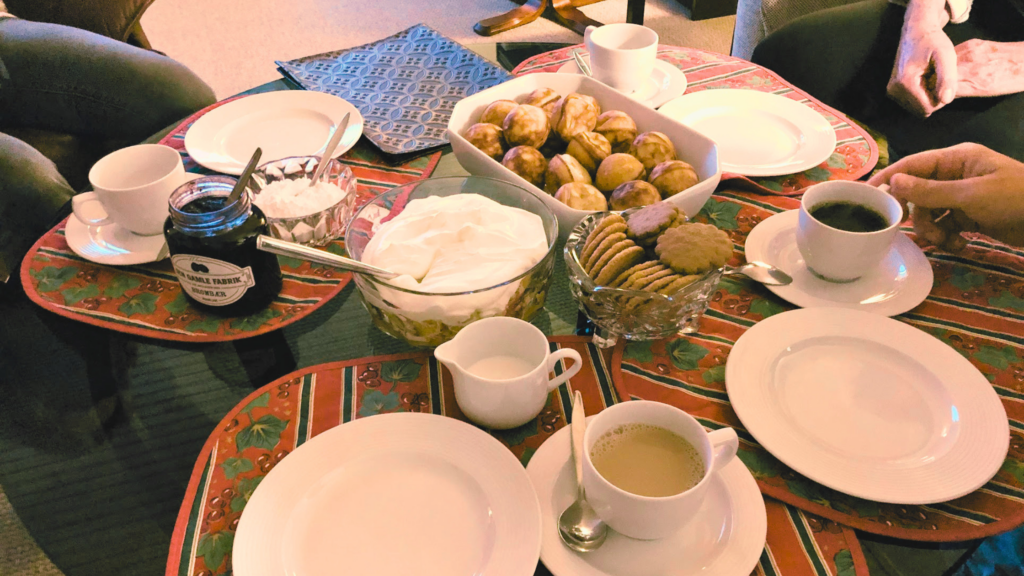
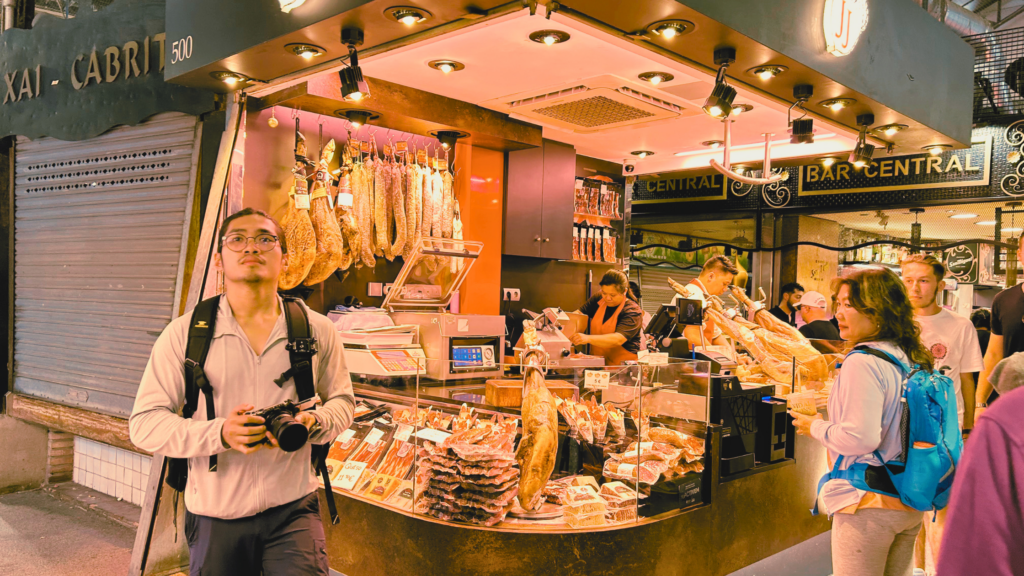
I saw other cities in Europe—places that felt more alive. Streets with people, markets, music, just more going on. I remember walking through towns in Romania or Budapest where there were fresh produce stalls, buskers singing on the street for tips, people just out and about.
I would end up buying pastries even when I wasn’t hungry, just because everything looked tempting.
I remember a small town in Spain—Almería—where every drink came with free tapas, and people were just hanging out, chatting. It wasn’t even a touristy place, and they only spoke Spanish. It’s a small thing, but looking back, those are the kinds of things that make you want to go out—something to be excited about instead of just staying home.
And then now, living in Hjørring, it’s hard not to compare. I didn’t actually start living in Hjørring until 2023—before that, it was just a place I visited
A City That Works… But That’s It?
Hjørring is not a small place. It’s actually one of the bigger cities in this part of Northern Jutland after Aalborg.
You have everything you need—supermarkets, Bauhaus, Metropol-a shopping center. Compared to smaller towns nearby where you might only have one grocery store and maybe a pizza place, Hjørring actually feels quite complete. I can only imagine how it is in even smaller places like Vrå and similar towns around here.
You don’t really need to leave for your basic needs… maybe except IKEA?
But over time, it started to feel more like a city that works… more than a city that invites you to stay out.
Like you go out to do something, and then you go home.
There aren’t that many things happening. There’s Dana Cup, the town festival, Christmas events—but those are once a year. In between, it can feel quiet.
Especially as a foreigner, you notice it more. There is an expat group, and I’m genuinely grateful for it, but it’s not something that happens often. And from a kommune initiative, it hasn’t really developed into deeper or consistent connections—at least not yet.
There are cozy cafés, a really nice library, and Metropol is actually a good spot, especially during winter. But you’ll notice quickly—you’ll likely try most of the cafés and restaurants within a short time.
And that’s kind of where the feeling comes from.
Everything is there—the nice coffee spots are there—but the layer around it feels limited. You sit, you have your coffee, and then… there’s not much else happening around it. No events, no street activity, nothing that extends the experience beyond just being there.
Nature
(Which You Might Not Expect)
You might be surprised, but nature is actually one of the strengths here.
It’s not something that stands out immediately. It’s not Hammer Bakker level or anything like that, but once you start walking more, you realize there are more spots than you thought—quiet paths, small green areas, places you end up going back to.
Hjørring winters can be harsh. It’s windier here—we’re close to the sea after all. Not the kind that slaps your face the moment you step out, but enough that you feel the difference compared to somewhere like Silkeborg. And then in summer, everything opens up more. Beaches like Løkken are nearby, and when the weather is good, it feels like a different place.
Adjusting as a Foreigner
Language is one of the first things you notice.
Most people speak Danish, which is great if you want to learn, but the accent here is different and harder to follow at the beginning. Over time, you adjust.
It’s also just a different pace socially. Things are more structured, more planned. You don’t really “bump into” things happening in the city center.
And if you’re used to places where things are more spontaneous, you feel that difference.
There are also fewer expats here, so naturally, networking takes more effort.
I’ve met fellow Filipinos in and around here who have lived here for several years. They seem well adjusted, but they also have their own tight groups. It’s almost like you end up creating your own version of community—your own gatherings, your own circle—to fill that gap.
And honestly, while that works, it’s not quite the same as integrating into the place itself. It becomes more about building your own space within it. Which is fine—but then it almost doesn’t matter where you live, because your world becomes that circle. And that’s not really the point.
But not everyone is lucky enough to find that either.
My Daily Life Here
To paint a picture of my life as a mom of three:
Weekdays are mostly routine. Getting the kids ready for daycare and kindergarten. My husband and I both work remotely, so we’re home most of the time.
He’s fine with that. I’m not always. So a few times a week, I go out. Sometimes just a walk—Hjørring Bjerge, or all the way to the city center. I’ll get a coffee, sit somewhere, listen to a podcast, journal, or read. Sometimes I meet friends—coffee, lunch, or just hanging out at someone’s house.
Groceries are simple. Everything is in supermarkets. No open markets like in Southern Europe where fruits and vegetables are laid out fresh. Here, it’s packed, organized, practical.
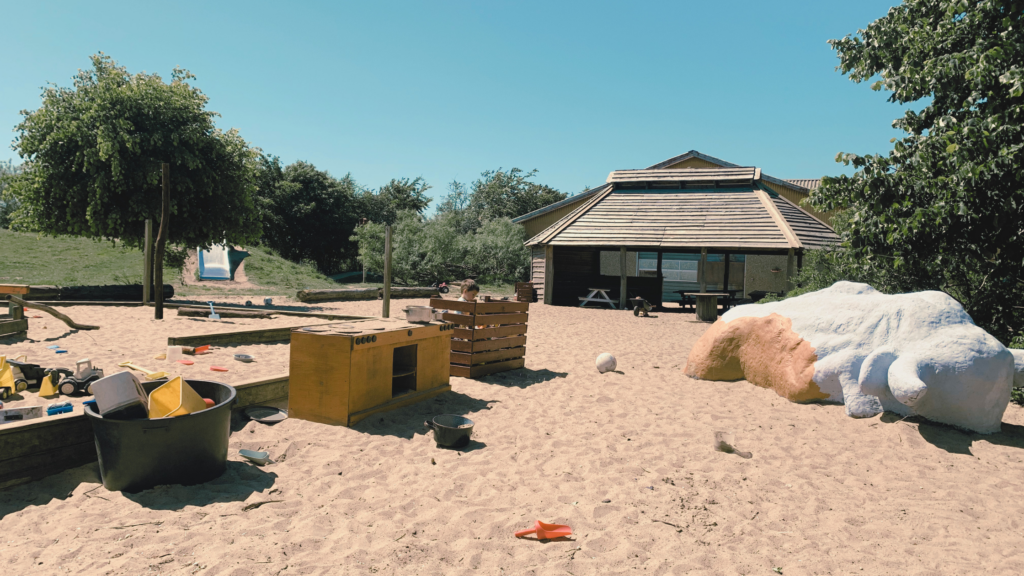
On weekends, we usually see family or friends. Most of them also have kids, so it becomes time for the kids as well. Some weekends we go to nearby places like Fårup Sommerland or bigger playgrounds. Other times, just a playground is enough. And then there are quiet nights at home—movie, snacks, nothing special.
Of course, the routine also changes depending on the season, and that adds some variety.
In summer, we go to nearby beaches like Løkken. The kids play in the sand, and if we’re lucky with the weather, maybe even swim.
In winter, it’s more about nearby places like Blokhus, short trips, or just finding ways to get out of the house without freezing.
So even if the structure of the days feels the same, the season changes how you experience it.
Why People Stay
(and Why Some Leave)
Hjørring is not the kind of place people randomly choose without a reason.
Most people are here because:
they grew up here
they have family here
or their job brought them here
And I understand why.
If you’re younger or looking for more variety, it can feel limited. It’s not just about nightlife—it’s about options, energy, things happening around you.
Even for me, there were times I thought about moving closer to Aalborg.
But I chose to stay.
My Relationship With This Place
Do I love living here? I’ve come to.
Not because it has everything, but because I stopped expecting it to be something else.
At some point, I realized that if I keep comparing it to other places, I will always feel like something is missing.
And that’s not really about the city anymore. The city could do more—especially for foreigners. More events, more ways to connect, more visible community life. But at the same time, I also realized I can do more too. I can go to Aalborg if I want more variety. I can change my routine. I can make an effort.
What Could Make It Better
Still, there are things that could make a difference. Not something big or unrealistic, just small things that make people feel like there’s more happening around them.
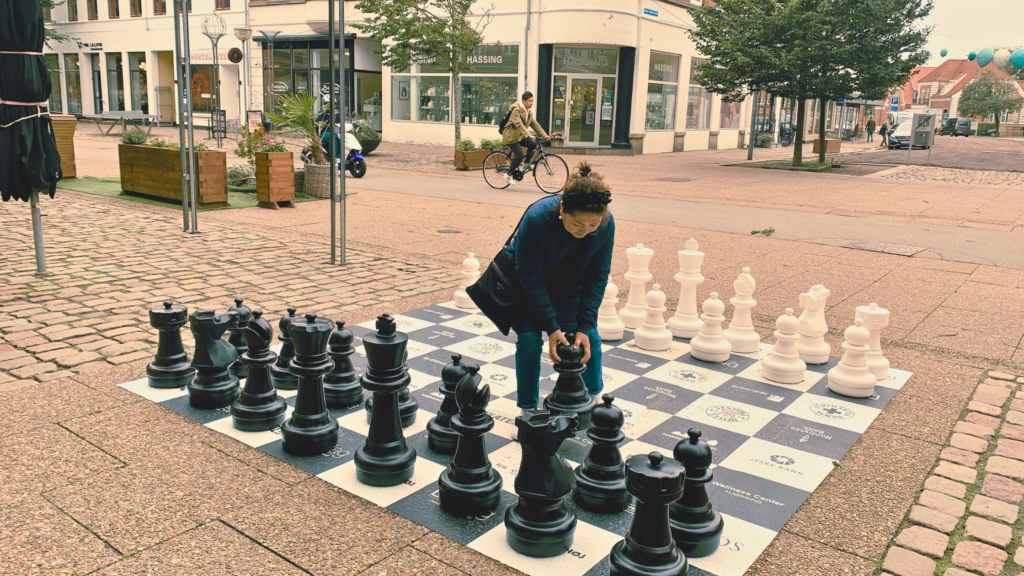
More events in the city center
Food markets, seasonal events, even small weekend setups where locals can sell food or crafts. Something that gives people a reason to go out, not just run errands and leave.
Co-working spaces
Co-working spaces where people can actually sit, work, and maybe end up talking to someone. Especially for people working remotely, it makes a difference just being around others. This could easily be a section in the library, or even one of the areas along the old walking street that now feels a bit forgotten. It has a lot of potential—I just wish it was used more intentionally, not left as it is.
More visible community activities
Not just once in a while, but things you can come across even by chance. Something you don’t have to plan weeks ahead just to experience.
Consistent cultural activities
There is a kulturfest, but it happens only once and is mostly attended by foreigners themselves; something like this would be more meaningful if it became smaller, consistent activities, because relationships are not built in a one-time event—maybe something as simple as a rotating cuisine feature in the library café, where proceeds go to a cause, combining cultural exchange with something meaningful.
A better way to communicate what’s actually going on
There are a lot of Facebook groups and initiatives, but nothing really consistent where you can clearly see events and activities. It all just gets mixed in with for sale posts, housing, complaints, and everything else.
Creative workshops
Such as art, sewing, hobbies, anything really. This can be library-led as done in other Kommune. Not because people are looking for a new skill, but because it gives a reason to gather and do something together.
Sprogskole activities beyond the classroom
Maybe conversations with volunteers, or small meetups where people can practice Danish in a more relaxed way. Something that goes both ways, not just structured learning.
Guided trips around North Jutland
There are so many places nearby that even locals don’t always explore. Having something organized makes it easier, especially for newcomers.
“Welcome to Hjørring” starter pack
Maybe even something as simple as a “Welcome to Hjørring” starter pack. Not just information, but actual guidance—where to go, what to do, how to connect. Send it in e-boks as a starting point. Something that makes settling in feel less like figuring everything out on your own.
But stepping back from all of that…
None of these are big changes on their own. But together, they would make the city feel a bit more alive.
Denmark is efficient. Stable jobs, predictable income, systems that work. People don’t need to be out selling food on the street—they’re in their offices, their routines, their homes. And it makes sense.
But sometimes I wonder if that’s the trade-off—something you accept in exchange for stability.
At what point do you gain convenience, but slowly lose those small, everyday interactions that make a place feel more alive?
I keep asking myself:
“How I can be part of making this place more interesting—not just for me, but for others like me.”
Hjørring is not empty.
It’s just quiet.
And it feels like it has always had the potential to be more, but somewhere along the way, as people left for bigger cities, it leaned into being what it is now instead of trying to evolve further.